
Regular Septic Maintenance Stops Harmful Waste From Reaching Your Water Supply
Septic Tank Pumping prevents groundwater contamination by removing built-up sludge and waste before it overflows into the soil. When a tank gets too full, untreated wastewater can seep into the ground and reach nearby wells, streams, and drinking water sources. Regular pumping keeps the system working the way it should and protects both your property and the local water table.
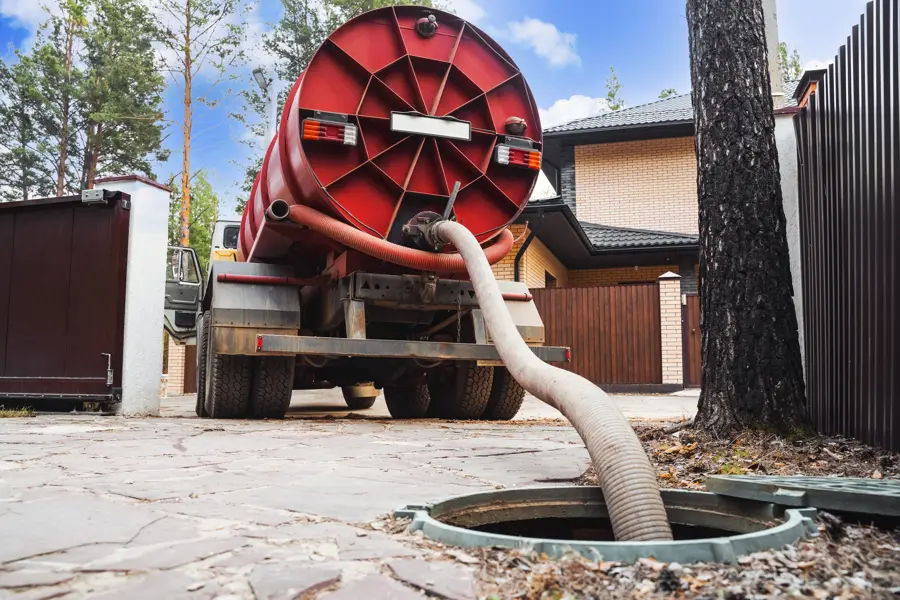
Why Prevention Matters
Your septic system treats wastewater right on your property. Solid waste settles at the bottom of the tank. Oils and grease float to the top. The liquid in the middle flows out into the drain field for natural filtering through soil.
If the tank gets too full, solids can move into the drain field. Once that happens, the soil cannot filter waste properly. Harmful bacteria, nitrates, and other pollutants may travel through the ground and into groundwater. This can affect your family’s well and even nearby homes.
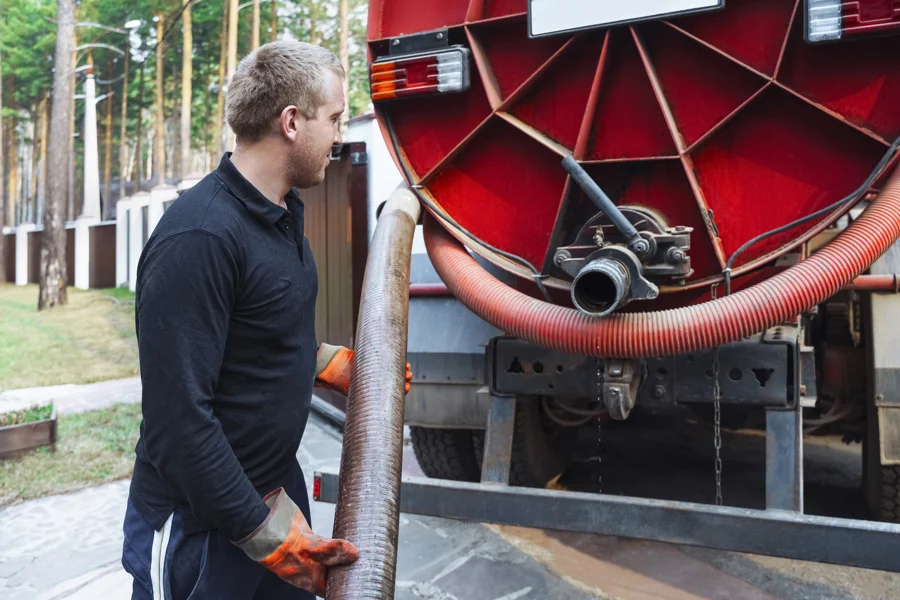
Septic Tank Pumping removes the solid layer before it causes damage. It is one of the simplest steps you can take to avoid health risks and expensive repairs.
Early Warning Signs
A full septic tank often gives warning signs before real trouble starts. Paying attention early can prevent contamination issues.
- Slow drains in sinks, tubs, or showers
- Gurgling sounds in plumbing
- Bad smells near the tank or yard
- Standing water in the drain field area
- Greener, thicker grass over the system
These signs mean your tank may be near capacity. If ignored, wastewater could back up into your home or leak into the soil untreated.
Seasonal or Routine Checklist
Keeping a simple schedule helps protect groundwater year-round. Most homes need Septic Tank Pumping every three to five years. Larger families or heavy water use may need it sooner.
- Check your last pumping date.
- Schedule a system inspection every year.
- Reduce water use during heavy rain seasons.
- Fix leaking toilets and faucets quickly.
- Keep a record of maintenance visits.
Heavy rainfall can raise the water table. When the soil is already wet, it cannot filter wastewater as well. Staying on schedule reduces the chance of untreated waste reaching groundwater during these times.
Best Practices for Long-Term Results
Pumping alone is not enough. Good daily habits also protect your septic system and your drinking water.
Spread water use throughout the week instead of doing many loads of laundry in one day. Install water-saving fixtures if possible. Keep vehicles and heavy equipment off the drain field to avoid soil compaction.
Only flush human waste and toilet paper. Items like wipes, paper towels, and hygiene products do not break down well. They build up faster inside the tank and increase the need for Septic Tank Pumping.
Also avoid pouring grease, chemicals, or paint down drains. These can disrupt the natural bacteria that help break down waste. When that balance is off, solids build up faster and increase contamination risk.
What Not to Do
Some homeowners wait until they see standing sewage before taking action. By then, contamination may already be happening underground.
Do not rely on so-called septic additives as a replacement for pumping. Many products claim to reduce sludge, but none remove solids the way professional pumping does.
Avoid digging or planting deep-rooted trees near the tank or drain field. Roots can break pipes and allow untreated wastewater to escape into surrounding soil.
When to Schedule Professional Help
If it has been more than three years since your last service, it is a good time to schedule Septic Tank Pumping. Homes with garbage disposals often need more frequent service because food waste increases sludge levels.
You should also call for help if you notice:
- Sewage backing up into drains
- Strong odors that do not go away
- Water pooling over the drain field
- A sudden change in well water quality
A trained technician can measure sludge levels and check that all system parts are working properly. Regular service protects your home, your health, and the shared groundwater supply.
Protect Your Property and Local Water in Palm Bay, FL
Groundwater safety matters for every household in Palm Bay, FL. At Asap Septic, we help property owners stay ahead of problems with timely Septic Tank Pumping and honest system evaluations. Our team works carefully to remove waste, inspect your tank, and reduce the risk of contamination reaching nearby wells. If it has been a few years since your last service, call us at (321) 344-7451 to schedule an appointment and protect your water source.