
Why the Ground Under Your Yard Matters More Than You Think
Soil type plays a big role in whether a septic system works well or fails early. The ground must absorb and filter wastewater at the right speed. If the soil drains too fast or too slow, the system can back up, leak, or wear out sooner than expected. Before any septic tank installation begins, the soil must be tested to see if it can handle the load.
What You Need Before Starting
Before planning a septic tank installation, you need a soil test, often called a perc test. This test checks how fast water moves through the ground. Local health departments in many areas require this before giving a permit.
You will also need:
- A soil evaluation report
- Property layout with distances from wells and property lines
- Local permit approval
- A system design based on soil results
Without these steps, the system may not pass inspection or may fail after heavy use.
Step-by-Step: How Soil Type Impacts Installation
Different soils react to wastewater in different ways. Here is how professionals factor soil into the process:
- Test the soil. A contractor digs small holes to measure drainage speed and check soil layers.
- Identify the soil type. Common types include sandy soil, clay soil, silt, and loam.
- Measure the water table. High groundwater can limit system depth.
- Choose the right system design. Some soils need larger drain fields or special systems.
- Set the correct depth. The tank and pipes must sit at a level that allows proper flow.
For example, sandy soil drains water very fast. That sounds good, but it may not filter waste well enough. Clay soil drains very slowly. This can cause pooling water and system backups. Loam soil often works best because it drains at a steady, balanced rate.
Common Mistakes to Avoid
Many septic problems start with wrong soil assumptions. Here are common mistakes homeowners make:
- Skipping the perc test to save time
- Installing a standard system in heavy clay soil
- Placing the drain field in an area with poor drainage
- Not accounting for seasonal groundwater changes
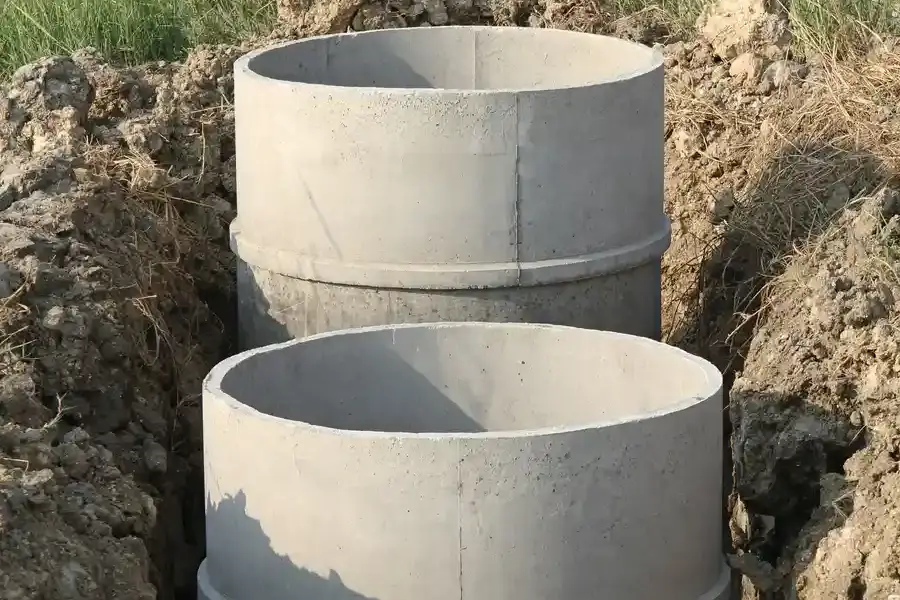
Another mistake is adding fill dirt without proper compaction and testing. The top layer might look fine, but the soil underneath could still cause trouble. Septic tank installation is not just about digging a hole and placing a tank. The soil under and around the system controls how long it will last.
When to Call a Professional
Soil evaluation is not a DIY job. It requires knowledge of local codes, drainage patterns, and system sizing. A professional can read soil layers, spot red flags, and design a system that matches your property.
If your yard stays wet after rain, has thick clay, or sits on a slope, expert advice is even more important. These conditions can change the size and layout of the drain field. In some cases, alternative systems like mound or aerobic units may be needed.
Final Recommendation and Next Steps
The success of any septic tank installation starts below the surface. Good soil allows wastewater to filter slowly and safely. Poor soil can lead to odors, backups, and costly repairs. Testing, planning, and proper design protect your home and your land for years to come.
If you are planning a project in Palm Bay, FL, local soil conditions should be checked before any digging begins. At Asap Septic, we evaluate soil types, handle permits, and install systems built for long-term performance. Call us at (321) 344-7451 and we will help you choose the right solution for your property.