
Small Septic Problems Can Turn Into Messy and Expensive Yard Damage
If you delay drain field repair work, the problem almost always gets worse. What starts as slow drains or a soggy patch in the yard can lead to sewage backing up into your home, bad odors outside, and even full system failure. The longer you wait, the more damage can spread through your septic system and property.
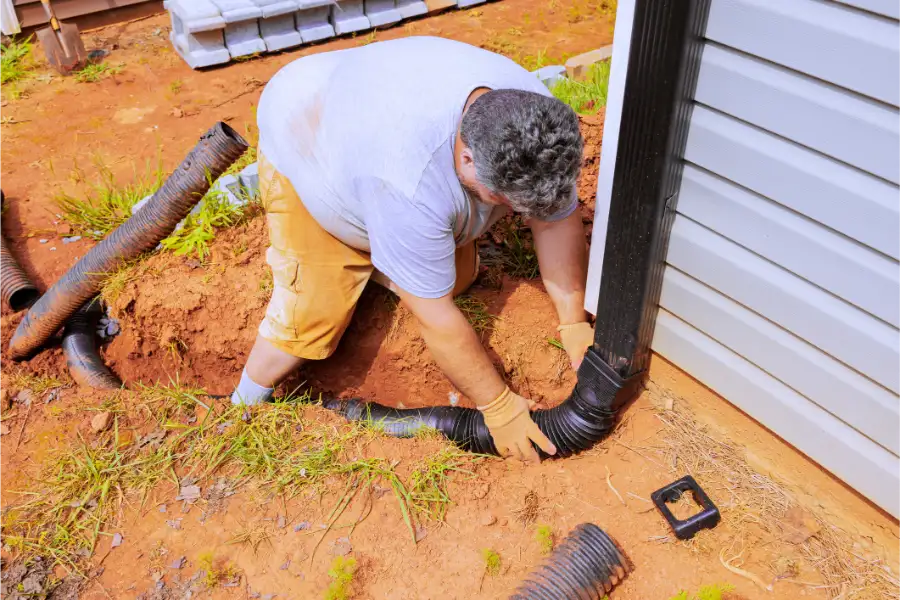
Quick Diagnosis Summary
A failing drain field does not fix itself. When it stops working the right way, wastewater has nowhere to go. Instead of soaking safely into the soil, it rises to the surface or backs up into your house. Delaying drain field repair allows pressure to build in the system, which can damage pipes, contaminate soil, and create health risks for your family.
Common Symptoms
Most homeowners notice warning signs before a total breakdown. Ignoring these signs often leads to bigger septic repair needs later.
- Slow sinks, tubs, and toilets
- Gurgling sounds in drains
- Wet or soggy spots in the yard
- Strong sewage smells outside
- Greener or faster-growing grass over the drain field
These issues may seem minor at first. Many people think pumping the tank will solve everything. In some cases it helps for a short time. But if the drain field itself is damaged, the problem quickly returns.
Likely Causes
Drain fields fail for a few common reasons. Over time, solid waste and sludge can clog the soil. Heavy rain can oversaturate the ground. Driving or parking on the area can crush pipes. Tree roots can also grow into the lines and block flow.
If regular septic service has been skipped, waste buildup can move past the tank and into the drain field. Once the soil pores clog, water cannot filter the way it should. That is when backups and surface pooling begin.
What to Check First
Before assuming the worst, it helps to look at a few basics.
- Check when the septic tank was last pumped.
- Look for standing water after dry weather.
- Notice if multiple drains are slow at the same time.
- Pay attention to odors inside and outside the home.
If only one sink is slow, the issue may be a simple clog. But if the whole house drains poorly, the problem often points to the drain field.
Safe Fixes Vs Pro-Level Fixes
There are very few safe do-it-yourself options for a failing drain field. You can reduce water use in the home. You can fix leaking faucets and toilets. You can redirect roof drains away from the field. These steps may lower stress on the system.
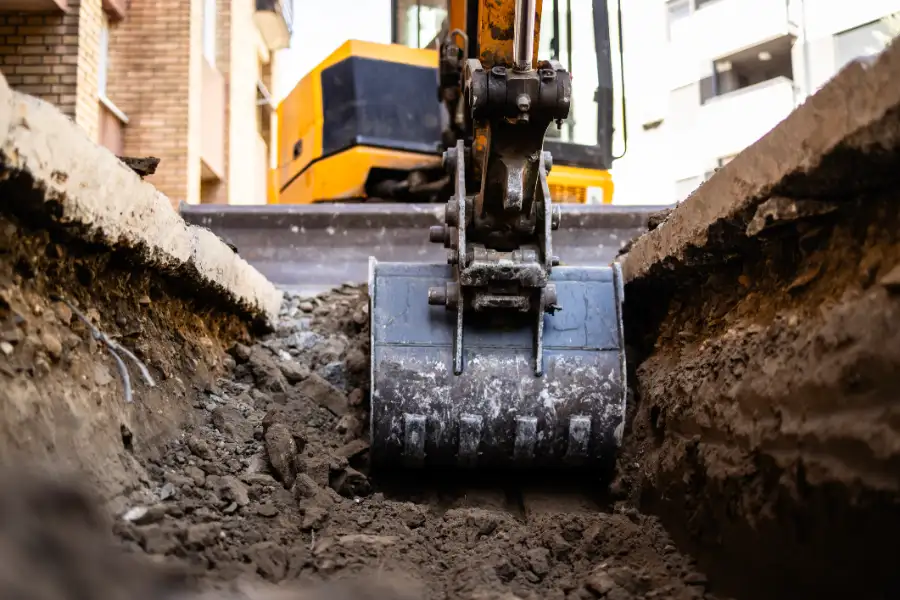
However, actual drain field repair usually requires heavy tools, soil testing, and knowledge of local codes. In some cases, sections of pipe must be replaced. In others, part of the field may need to be rebuilt. Waiting too long can mean a full replacement instead of a smaller repair.
Keep in mind that raw sewage exposure is a health risk. Contact with contaminated soil can spread bacteria. That is why most major septic repair work should be handled by trained technicians.
Prevention Tips
The best way to avoid major drain field damage is early action. When you catch problems fast, the repair is often smaller and less costly.
- Schedule regular septic tank pumping
- Avoid flushing wipes or grease
- Keep heavy vehicles off the drain field
- Plant trees far from septic lines
- Fix plumbing leaks right away
It also helps to spread out water use during the week. Doing all laundry in one day can flood the system. Simple habits can extend the life of your drain field by many years.
Final Recommendation
Delaying drain field repair often turns a manageable issue into a major project. If you notice signs of failure in your yard or home in Palm Bay, FL, it is smart to act quickly. At Asap Septic, we handle septic repair problems of all sizes and work to stop damage before it spreads. Call us at (321) 344-7451 to schedule an inspection and let us help protect your home and property with the right solution.